Although many manufacturers have progressively distanced themselves from the boxer engine, only Porsche and Subaru have remained firm in their commitment to it. With the growing need for electrification, this evolved into the mild hybrid e-Boxer. However, its days now appear to be numbered, as Subaru will no longer offer combustion engine vehicles in Europe from 2028. Although this decision applies only to Europe, it marks a fundamental step for the niche manufacturer.
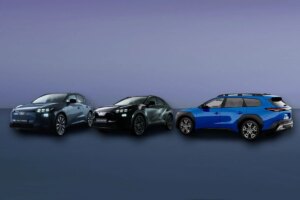
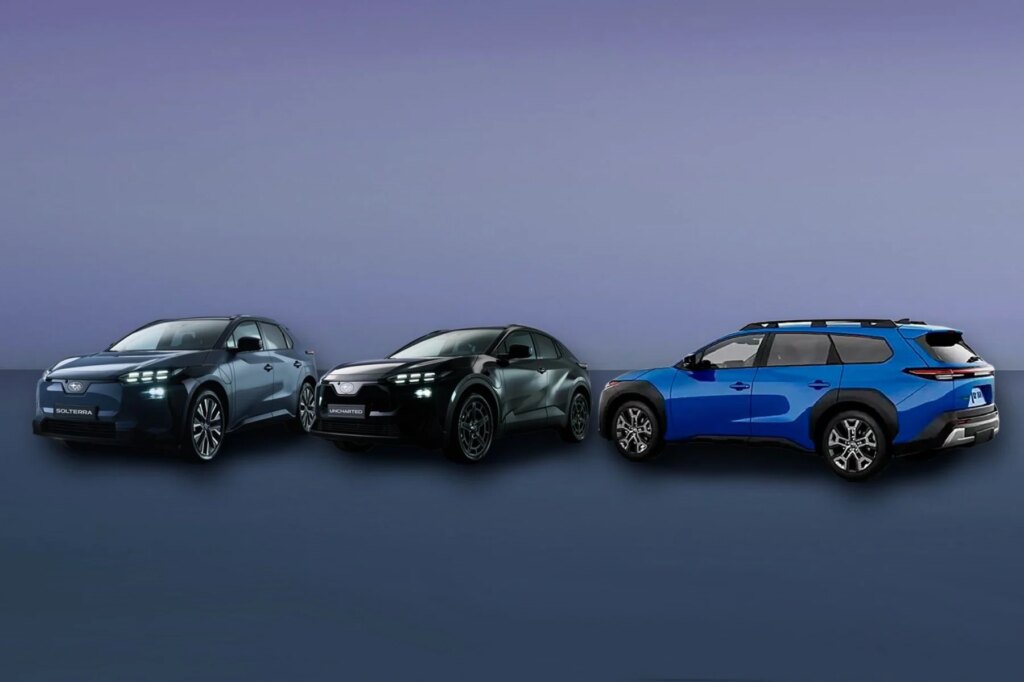
Already in 2026, the Subaru Outback will disappear from the market, followed by the Impreza, Crosstrek and Forester, whose sales will be suspended in 2027, according to reports Motor and Sports Car. The current electric portfolio that will remain consists of the Uncharted in the compact class, the Solterra crossover and the e-Outback family crossover, both positioned in the mid-size segment.
Tighter EU fleet emissions rules force change of course
Subaru cites strict EU CO rules2 fleet emissions standards as a reason to withdraw combustion engine vehicles from Europe. In addition, there are increasingly comprehensive regulations on mandatory assistance and safety systems. These adaptations are extremely expensive and apparently not economically viable for the manufacturer.
As for importers, Emil Frey is optimistic: “With the launch of our three fully electric models, this year we have reached a milestone”, Swiss magazine click quotes his spokesperson. “The pleasant and high demand confirms that our strategy is correct in these times.”
Proprietary EV platform from 2029
It is not yet known whether Subaru will introduce more electric models to the European market until 2028. However, given the reduced supply, this is certainly conceivable or even strategically necessary. A seven-seat flagship model above the e-Outback has already been introduced for markets such as the United States and Australia: the Subaru Getaway. While this model is not currently planned for Europe, a modified version could still fit into the portfolio here.
In addition, Subaru is developing its own electric platform to reintroduce independent models to the market and reduce its dependence on Toyota. The new system uses more compact motors from Aisin and lighter batteries from Panasonic, offering a system power of around 375 kW for all-wheel drive. The new architecture is expected to debut in production vehicles in 2029.
auto-motor-und-sport.de, blick.ch (links in German), caranddriver.com, autonews.com