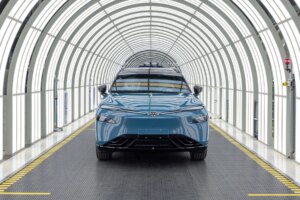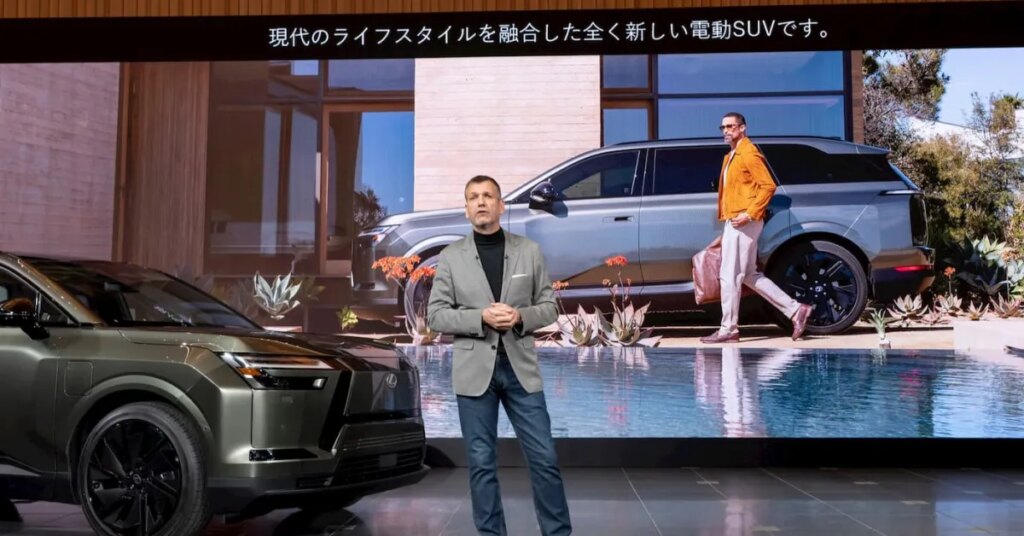
Toyota’s luxury brand Lexus will launch a new electric SUV in 2027, its first vehicle built in China in more than two decades.
Lexus leans on China for next generation of electric vehicles in 2027
It’s official. Toyota is breaking with tradition and plans to develop and produce the new vehicle in China rather than its home market, Japan.
Lexus confirmed that the new vehicle will be manufactured at its new manufacturing plant in Jinshan, Shanghai, and will go on sale in 2027.
As Lexus’ first factory built from scratch overseas, the company said the new plant will bring together its global manufacturing capabilities.
Toyota broke ground on the facility in June 2025, saying the new facility will unlock “Lexus speed” as it aims to keep pace with domestic brands like BYD. Construction was expected to be completed last August, with the first vehicle rolling off the assembly line in fall 2027.
Lexus’ first model will be an electric SUV, produced using advanced manufacturing methods such as gigacasting to reduce costs and speed up production.
The facility will be a cornerstone of Toyota’s plans to return to China, where it has struggled to compete with local brands.
Production capacity will be around 1,000 units per month in 2027, while Toyota will increase to “tens of thousands” in 2028.
Toyota sales fell nearly 20% in China last month, marking its eighth consecutive month of lower sales than a year earlier. The market in China “remained weak due in part to rising gasoline prices, while the market for gasoline vehicles and hybrid vehicles was particularly affected,” Toyota said.
In the first nine months of 2026, Toyota sold just over 1.05 million vehicles in China, 18.9% less than the same period last year.
Lexus’ new facility in Shanghai is wholly owned by Toyota, allowing it to produce vehicles in China through its joint ventures.
The new electric SUV will go on sale in China in 2027. Specific details, including battery, range and pricing, have yet to be announced.
As part of its “with China, for China” strategy, Lexus said it will “continue to use China as a source of innovation,” adding that it will “deepen localization efforts” to bring classic models to market that meet local needs.
Toyota joins the growing list of major OEMs already turning, or planning to, to China for their next-generation electric vehicles.
Electrek’s opinion
While in other global markets, Toyota is sticking to its “multi-track” strategy, which includes all powertrains from electric to ICE; In China, it is being forced to adapt.
China is Toyota’s third largest market, after the United States and Japan. To remain competitive and turn things around in China, Toyota will rely more on local partners and suppliers.
Developing Lexus’ new electric SUV first in China and not Japan is significant given Toyota’s traditional ways.
Typically, it takes Toyota four to five years to fully develop a new vehicle. In China, car manufacturers build cars in as little as two years.
Toyota, like many automakers right now, is turning to China for new EV technology, batteries, production methods and other components to keep pace.
FTC: We use automatic affiliate links that generate income. Further.