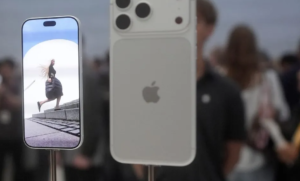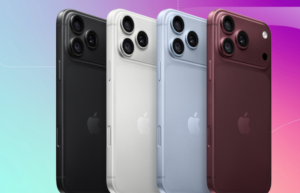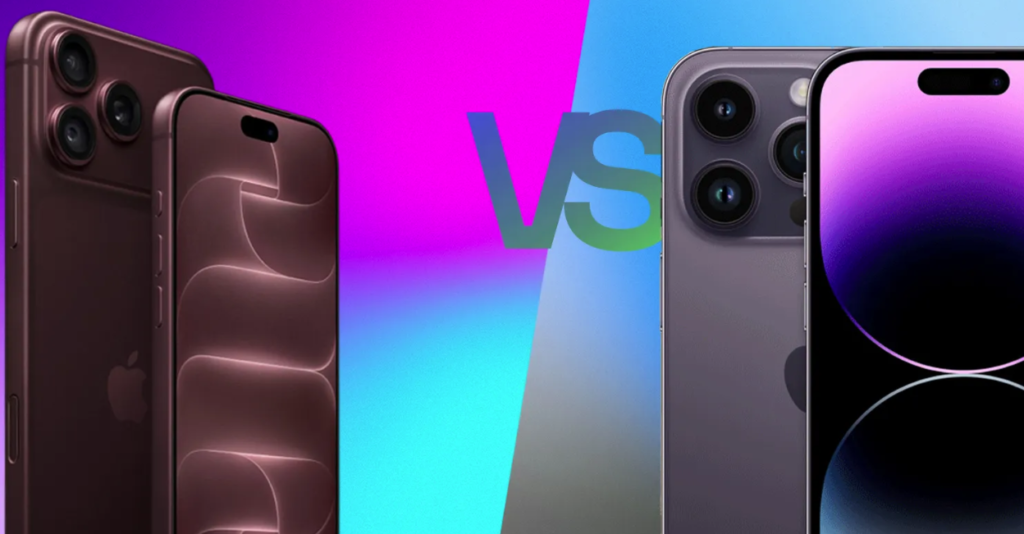
Four years and four chip generations separate the iPhone 14 Pro from the iPhone 18 Pro, and putting them side by side makes for one of the more revealing comparisons in recent iPhone history. If you bought a 14 Pro at launch in 2022 and have held onto it since, here’s exactly how much ground Apple has covered — and whether it’s actually enough to justify replacing a phone that, on paper, still holds up reasonably well.
Design and Materials: Stainless Steel to Titanium
The iPhone 14 Pro introduced a stainless steel frame paired with a glass back, a combination that looked and felt premium but added noticeable weight at 206 grams. The iPhone 18 Pro moves to a titanium frame, a material Apple adopted a few generations ago specifically to cut weight while maintaining structural rigidity — titanium is significantly lighter than stainless steel for a comparable level of durability. Both phones share Apple’s Ceramic Shield front glass, but the 18 Pro benefits from a newer generation of that protection layer, along with a redesigned camera module that spans the width of the phone’s back rather than the smaller square bump found on the 14 Pro.
Display: How Much Has Really Changed
This is one area where the four-year gap is smaller than you might expect. The iPhone 14 Pro already featured a 6.1-inch LTPO Super Retina XDR OLED display with 120Hz ProMotion, Dynamic Island, and up to 2,000 nits of peak brightness — genuinely competitive numbers even by today’s standards. The iPhone 18 Pro carries that same core display philosophy forward with meaningful refinements: significantly higher peak brightness for outdoor visibility and HDR content, a more capable Dynamic Island that now handles three simultaneous Live Activities instead of the single-activity display the 14 Pro launched with, and improved color accuracy. It’s an upgrade, but not a transformation — Apple got the display formula largely right back in 2022.
Chip Performance: A16 Bionic vs A20 Pro
The processing gap is where four years of silicon advancement becomes obvious. The iPhone 14 Pro’s A16 Bionic, built on a 4-nanometer process, was a capable chip for its time, but the iPhone 18 Pro’s A20 Pro is built on a considerably more advanced 2-nanometer process and represents multiple full generations of architectural improvement. Beyond raw clock speed, the A20 Pro includes a dual 16-core Neural Engine specifically built for on-device AI processing — a capability that barely existed as a marketing focus when the 14 Pro launched. Real-world impact shows up most clearly in sustained performance: a redesigned, larger vapor chamber in the 18 Pro helps it maintain peak performance during demanding tasks like gaming or video editing far longer than the 14 Pro’s cooling system was ever designed to handle.
Camera System: From Fixed Aperture to Variable Aperture
Both phones use a 48-megapixel main sensor as their headline camera spec, which on paper looks like a smaller jump than it actually is. The iPhone 14 Pro’s 48MP main camera has a fixed aperture, standard for the time, paired with 12MP ultrawide and telephoto lenses. The iPhone 18 Pro introduces variable aperture — a first for any iPhone — allowing the camera to physically adjust its aperture blades for better low-light performance and more control over depth of field, along with a completely new computational imaging pipeline layered on top of the sensor itself. The 18 Pro also introduces Apple Reference Image, an authenticity verification feature with no equivalent anywhere in the 14 Pro’s camera software. Four years of computational photography advances mean the gap here is larger than the shared “48MP main camera” spec sheet entry suggests.
Battery Life and Charging Speed
Battery capacity numbers alone undersell how much has changed. The iPhone 14 Pro shipped with a 3,200mAh battery, respectable for its time but modest by current standards. Apple hasn’t published a direct capacity figure for the 18 Pro, but the company describes this year’s battery life improvement as the largest in iPhone history, with the standard 18 Pro rated for up to 36 hours of video playback. Charging speed has also improved meaningfully — the 18 Pro can reach 50 percent charge in around 15 minutes over a wired connection, noticeably faster than what the 14 Pro’s charging hardware was capable of at launch.
Software and AI: The Biggest Gap of All
This is arguably where four years matters most. The iPhone 14 Pro launched running iOS 16, well before Apple Intelligence existed as a product category. While the 14 Pro can technically run more recent iOS versions, it lacks the A17 Pro chip and 8GB of RAM threshold Apple requires for Apple Intelligence and Siri AI — meaning even with software updates installed, a 14 Pro owner will never get access to the conversational Siri AI experience shipping with iOS 27 on the 18 Pro. That’s not a close call or a minor feature gap; it’s a structural hardware limitation baked into the 14 Pro’s original 2022 design, and it’s the single clearest argument for anyone still using one to consider an upgrade.
Connectivity and Ports: The Lightning to USB-C Story
The iPhone 14 Pro was among the last Pro-tier iPhones to use Apple’s proprietary Lightning connector before the company transitioned the entire lineup to USB-C. The iPhone 18 Pro uses USB-C exclusively, bringing faster wired data transfer speeds and, notably, compatibility with the same charging cables used across modern MacBooks, iPads, and most Android devices. For anyone who’s built up an accessory ecosystem around Lightning, this is a practical, if unglamorous, difference that affects daily convenience more than any spec sheet number does.
Price: What Four Years of Inflation Looks Like
The iPhone 14 Pro launched at $999 for its base 128GB configuration back in 2022. The iPhone 18 Pro starts at $1,199 for 256GB — a higher price, but also double the base storage, which softens the effective increase somewhat. Even accounting for that, buyers are paying more in 2026 for the Pro tier than they were four years ago, reflecting both general inflation and the added cost of the new camera hardware, chip architecture, and battery technology packed into the current model.
Should iPhone 14 Pro Owners Actually Upgrade?
For anyone whose iPhone 14 Pro is still working well and who doesn’t care about Apple Intelligence or Siri AI, the case for upgrading immediately is less urgent than the spec sheet alone suggests — the display, in particular, has aged better than most four-year-old phone displays typically do. But for anyone who wants access to on-device AI features, meaningfully better low-light and computational photography, faster charging, or simply longer-term software and security support, the iPhone 18 Pro represents a genuine, multi-generational leap rather than an incremental refresh. The honest verdict: four years bought Apple a smarter chip, a materially better camera system, and — most importantly — an entirely new software category the 14 Pro’s hardware was never built to run.