There is always a danger of overcomplicating products. Simple is usually best. The apocryphal story that NASA spent millions making a space pen while Soviet cosmonauts used a pencil is often cited as a good example, even though it is not actually true. Perhaps it’s not surprising that Dyson has gotten into trouble trying to reinvent the electric toothbrush.
The Chinese invented the first bristle toothbrush during the Ming Dynasty. That concept worked quite well until 1937, when Tomlinson Moseley filed a patent for the first electric toothbrush. After more than 400 years, Motodent ushered in an evolutionary shift from manual brushing to electric oral care.
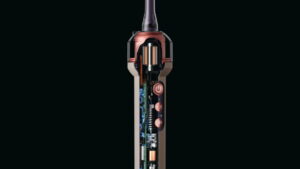
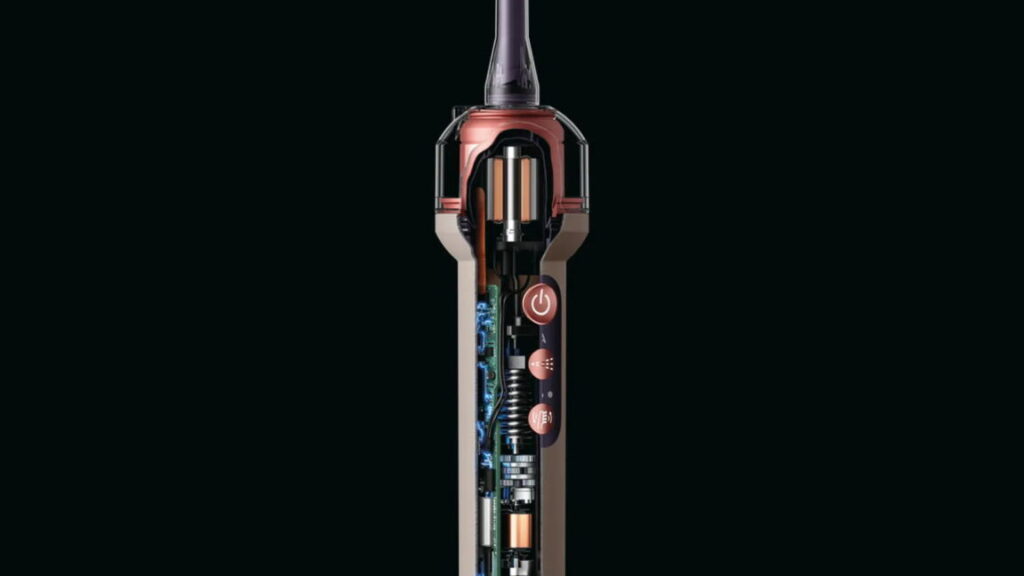
Having had considerable success reimagining established product categories like premium stick vacuums and hair dryers (though not so much air-purifying headphones), the company earlier this month, to much fanfare, unveiled the next step forward for your teeth: the $499 Dyson CameraJet with a small camera to aim jets of rinse aid at the spaces between your teeth.
Others, like the Waterpik Sonic-Fusion 2.0, have already dared (or foolhardy) to combine brushing and flossing. However, Dyson upped the ante even further by adding a macro lens camera, allowing its “Gap optical guidance system,” trained on 470,000 dental images, to identify in 100 milliseconds precisely where to spray liquid from the 12.5 milliliters of mouthwash stored in its onboard reservoir.
It took Dyson six years, 38 patents, and a huge amount of money to make this camera-and-brush trick work. However, something went very wrong with the CameraJet. So wrong that even though James Dyson launched the product globally at an event in Paris just a few weeks ago, as far as WIRED can determine, you can no longer buy the CameraJet anywhere.
The CameraJet launched in US stores on September 8. Just a day later, reports began outlining the first user complaints about water in the battery compartment and failures within 30 seconds of use. Consumer Reports’ own review unit stopped working less than 24 hours after unpacking it. On September 11, French outlet Numerama reported that Dyson’s French site and stores had stopped selling the toothbrush. By September 15, stores in the US, UK and Singapore, where Dyson’s headquarters now reside, had followed suit.