Instead of converting photons directly into electricity, concentrated solar energy uses mirrors to convert sunlight into heat, which can then be used to power traditional generator turbines. Until about a decade ago, there were arguments that concentrated solar power had a bright future because improvements in heat storage had made it a way to generate electricity around the clock.
It shouldn’t be. While the cost of concentrated solar energy fell enough to compete with nuclear energy, the price of photovoltaics fell, making solar panels the cheapest source of electricity in most locations. If you currently have a good location to generate solar energy, the economics of PV panels are hard to beat.
So we had to build a mix of other assets – typically batteries and natural gas plants – to meet overnight demand or weather-related shortages. However, one small company promises that it can help avoid having to build a separate facility. Its version of concentrated solar power is designed so that a fossil fuel-powered backup system shares most of the generation hardware with the solar side.
Back to the future?
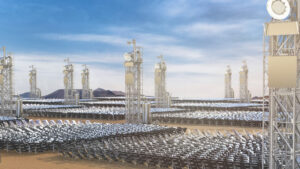
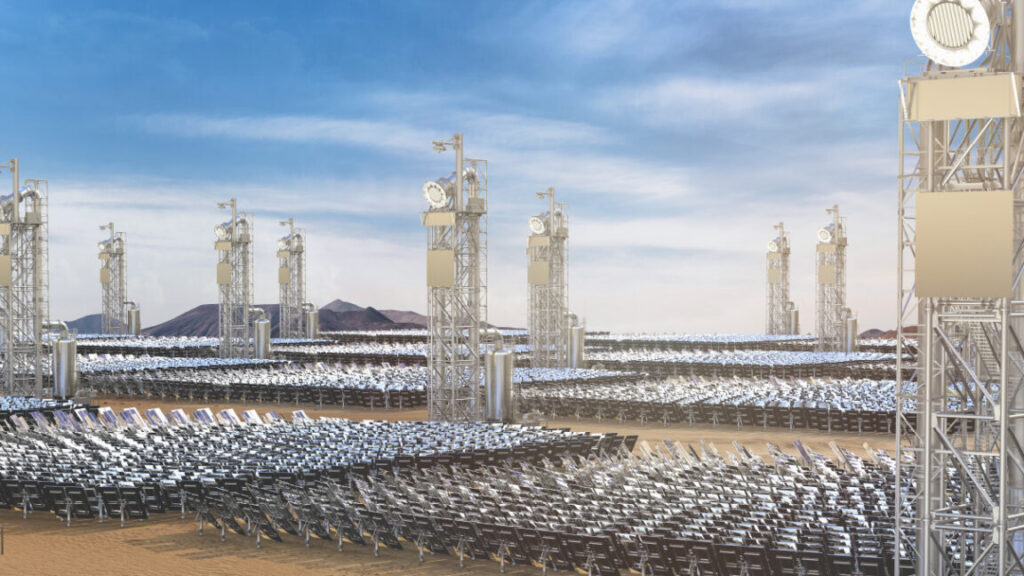
Concentrated solar energy, also known as solar thermal energy, is in principle quite simple. Most of the terrain is covered with heliostats, devices with mirrors and a motorized tracking system that can focus on a single point as the sun moves across the sky. The focal point is in a tower where sunlight heats a working medium. The hot liquid can then be used to power a traditional steam turbine, or its heat can be stored and used to generate electricity overnight.
However, there are many possible variations: different working fluids and methods of heat storage, trough-shaped mirrors that eliminate the need for a tower, and so on. All of these variants are intended to reduce some of the problems associated with solar thermal energy: lots of moving parts, potentially corrosive liquids, and so on. These problems and the lack of standardization have contributed to the fact that the costs of these systems have not come close to keeping up with those of photovoltaics.