Reuters reports that the grant was first awarded to the City of Boston in 2022 through the Rebuilding American Infrastructure with Sustainability and Equity (RAISE) program. Its goal was to help fund the Roxbury Resilient Corridors project, a nearly $34 million plan that covers improvements to three streets in Boston’s Roxbury neighborhood.
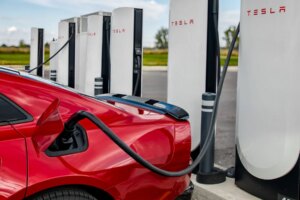
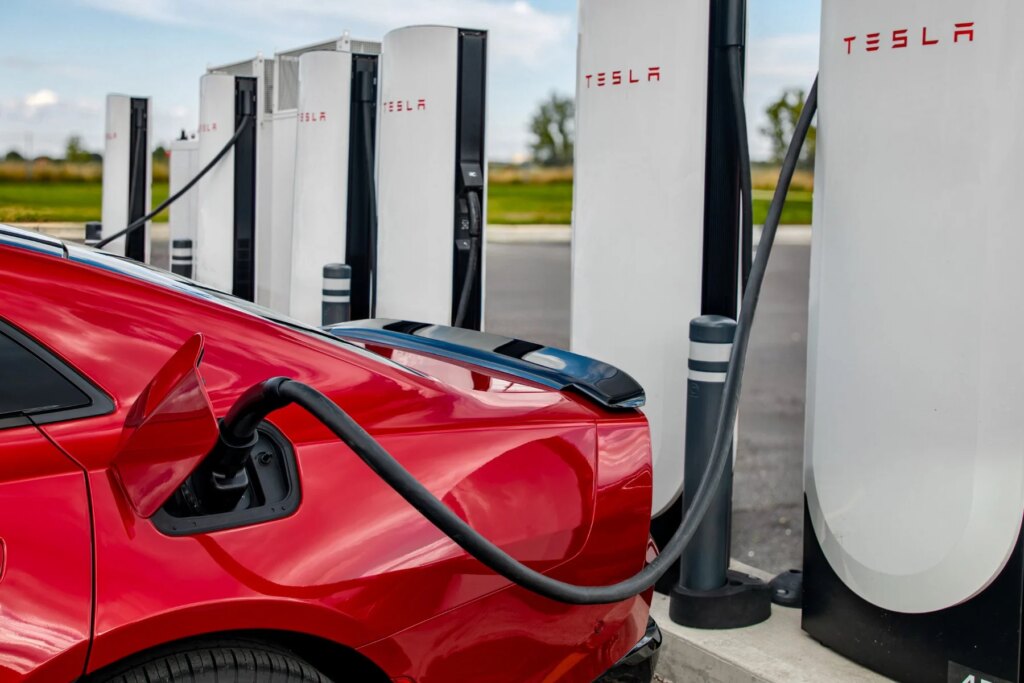
The project included road repairs, sidewalk widening measures and plans to improve bus services and, crucially, expand electric vehicle charging infrastructure. According to Boston’s lawsuit, the charging stations accounted for less than one percent of the project’s cost. Despite this, the Department of Transportation reportedly canceled the grant in September 2025, stating that the project was inconsistent with the administration’s priorities due to the inclusion of funding for electric vehicle charging infrastructure.
Boston is now challenging this decision in the U.S. District Court for the District of Massachusetts, arguing that the department lacked authority to terminate the grant on this basis. The city also alleges violations of the Administrative Procedure Act and constitutional principles of separation of powers. He added that he even offered to remove chargers from the plan, but the Department of Transportation still refused to restore funding.
“Boston secured this competitive grant to meet community needs and address long-needed infrastructure improvements,” Boston Mayor Michelle Wu said in a statement Monday. “The city of Boston will continue to fight against illegal federal attacks and we urge the court to reverse the Trump administration’s illegal actions and restore these critical funds to Roxbury.”
The RAISE program was established under the Infrastructure Investment and Jobs Act of 2021 and aims to fund transportation projects aimed at improving areas such as safety, accessibility, and environmental sustainability. Boston says its Roxbury project addresses all three, as the area faces some of the highest concentrations of traffic injuries and deaths in the city.
This comes amid broader changes to US federal support for electric vehicle infrastructure. In August 2025, electrive reported that the Trump administration had released $5 billion in previously frozen funds under the NEVI program, although states were required to follow revised requirements for using the funds. The Boston cases are not the first legal challenge over the cancellation of federal transportation subsidies. Albuquerque filed a similar lawsuit after the Department of Transportation withdrew an $11.5 million RAISE grant for an urban trail project, arguing that the project conflicted with the administration’s preference for infrastructure that supports vehicular travel. That case is still pending.
Earlier this year, a U.S. court ruling permanently barred the Department of Transportation from withholding NEVI program funds or revoking previously approved state implementation plans.
reuters.com, bostonglobe.com