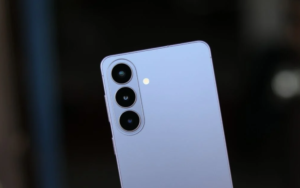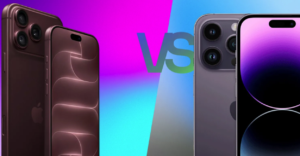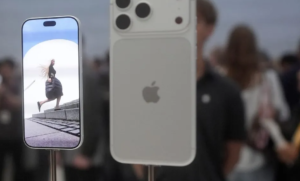
Apple has officially begun rolling out its long-promised Siri overhaul, releasing iOS 27 on Monday, September 14 — just days before the iPhone 18 Pro and Pro Max reach store shelves on September 18. The centerpiece of the release is Siri AI, but Apple isn’t flipping a simple switch here. The new assistant is launching in beta, gated behind an opt-in setting, and in some cases, a waitlist.
iOS 27 and Siri AI Officially Begin Rolling Out
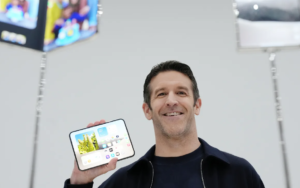
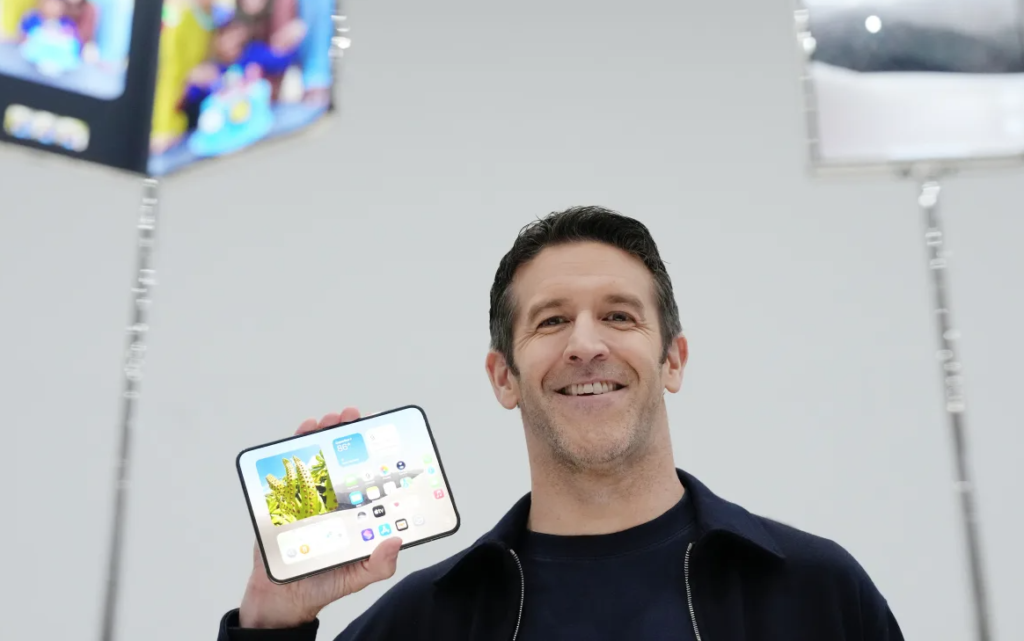
The rollout covers Apple’s full device lineup at once: iOS 27, iPadOS 27, macOS 27, watchOS 27, visionOS 27, and tvOS 27 all became available starting September 14. Speaking at Apple’s iPhone launch event the week before, CEO John Ternus described the new assistant’s philosophy simply, calling it personal intelligence that’s actually personal — a framing meant to distinguish Siri AI’s approach from the more generic chatbot experiences offered by rivals. Despite the ambition behind that description, Apple is treating this as a genuine beta rollout rather than a finished, universally available feature.
The Waitlist: Why You Might Not Get Siri AI Immediately
Even eligible users won’t necessarily get instant access. Siri AI requires opting in through the Settings app, and depending on demand, users may be placed on a waitlist before the feature activates on their device. Code discovered during earlier testing phases pointed to a dynamic waitlist system that estimates wait times and adjusts them based on Apple’s available server capacity, notifying users once access is granted. Anyone who already used Siri AI during the public beta period won’t need to rejoin the waitlist, giving early testers a practical advantage over people trying it for the first time at general release.
What Siri AI Can Actually Do
Apple’s pitch for Siri AI centers on it functioning as a standalone assistant capable of holding multi-step conversations, referencing something mentioned several exchanges earlier, and pulling information from across a user’s apps and settings to answer more personal questions. Early testing during the developer beta period showed the assistant handling practical, everyday tasks — locating specific photos in a user’s library, summarizing group text threads, adding an appointment mentioned in a message directly to the calendar, and looking up nutritional information for food identified through the camera. The goal, based on Apple’s own description, is an assistant capable of taking action on a user’s behalf rather than simply answering isolated questions.
The Surprising Infrastructure Behind Siri AI: Google Cloud and Gemini
One of the more notable details to emerge alongside the launch involves exactly how Apple is powering Siri AI’s more demanding requests. While simpler tasks run on smaller models directly on a user’s device, Apple is routing more complex queries through its Private Cloud Compute system — which, according to reporting around the launch, relies on Google Cloud infrastructure equipped with Nvidia and Intel chips. Apple has also reportedly used Google’s Gemini technology as part of building its own underlying models. For a company that has spent years emphasizing in-house silicon and infrastructure, leaning on a direct competitor’s cloud and AI technology to help power its flagship AI assistant is a striking, if quietly disclosed, detail of this rollout.
Usage Caps and the Road to a Paid Tier
Siri AI isn’t launching with unlimited access, even for users who get past the waitlist. Apple has confirmed that certain server-dependent Apple Intelligence features — including Siri AI itself, intelligent photo editing, Image Playground, and Apple’s cloud-based Foundation models used through Shortcuts — will carry daily usage limits. Apple hasn’t detailed exactly where those caps sit, but the company has also signaled that some form of paid access tier is under consideration for the future, suggesting the current free beta access may not represent Siri AI’s permanent pricing structure once it exits beta status entirely.
Where Siri AI Won’t Be Available Yet
Availability varies significantly by region and platform. Siri AI is launching first in English only, with French, Japanese, Korean, Portuguese, and Spanish support scheduled to follow in October. The assistant won’t be available at all in mainland China while Apple continues working through local regulatory requirements. The European Union situation is more fragmented still: Mac and Apple Vision Pro users in the EU can access Siri AI when their device is set to a supported language, but Apple is withholding the feature entirely from iPhone, iPad, and Apple Watch users in the EU for now. Siri AI also won’t be available to any user under the age of 13, regardless of whether their device otherwise meets the hardware requirements.
Months of Testing Behind the Scenes
This release follows an unusually long testing runway by Apple’s own recent standards. According to beta-tracking coverage, Apple seeded eight separate rounds of developer and public betas between June and the end of August, giving third-party app developers roughly three months to adjust to Siri’s new APIs and interface changes before today’s public release. That’s a notably longer testing window than some of Apple’s past software cycles, a shift widely attributed to developer pushback after earlier Apple Intelligence features slipped past their original release targets in both 2024 and 2025.
What Happens Next as iPhone 18 Hits Stores
With iOS 27 now live and Siri AI beginning its staged rollout, attention shifts to September 18, when the iPhone 18 Pro and Pro Max become available in stores and to early preorder customers. Anyone purchasing a new iPhone this week will have Siri AI available to opt into immediately, though — like existing users — they may still encounter a waitlist depending on server demand at the time. Whether Siri AI’s beta-status caveats resolve quickly or persist for months will likely shape a large part of the iPhone 18 lineup’s early reception, given how central the new assistant has been to Apple’s marketing for this entire release cycle.