One of the freighters attacked was the coastal freighter operated by Ukraine. Chelsea 3registered under the Maltese flag. Bulgarian Prime Minister Rumen Radev told the Russian ambassador in Sofia that “it makes no sense for Ukraine to destroy its own ships in the Black Sea, and the results of these attacks serve Russia’s interests,” according to The Associated Press.
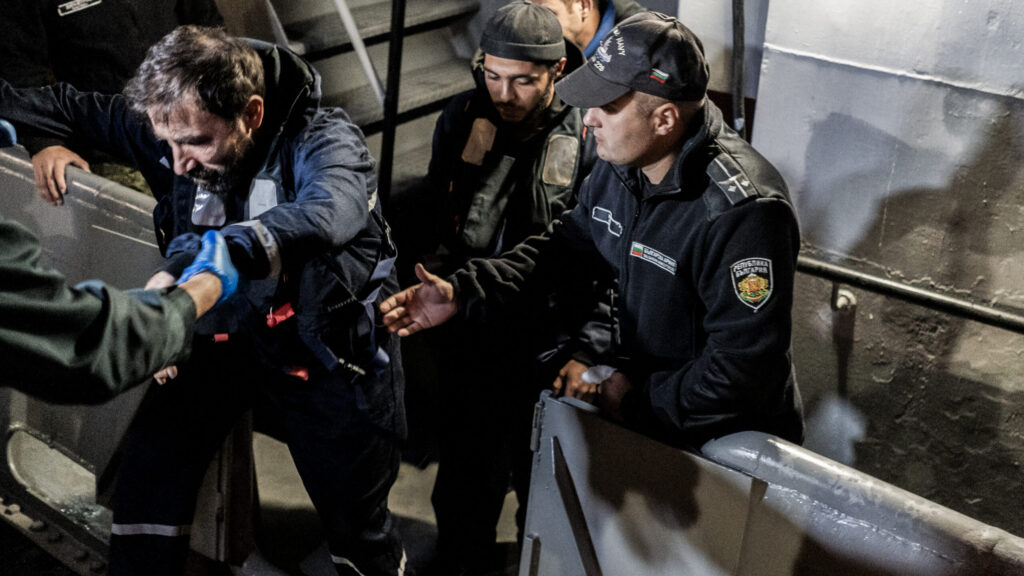
All 15 members of the Ukrainian-owned group Chelsea 3 They were safely evacuated by Bulgarian rescue operations after the ship was reportedly hit by three aerial drones.
But authorities were still searching for 11 missing crew members from the Guinea-Bissau-flagged cargo ship. Dignitywhich sank after being attacked, The Associated Press reported. Initially, five sailors were rescued from that ship.
Pattern of attacks and countermeasures.
These incidents mark the latest in a growing series of unprecedented attacks on Black Sea shipping in the exclusive economic zones of NATO countries. A week earlier, aerial and maritime drones sank the Togo-flagged cargo ship. Alpha Month and abandoned the cargo ship flying the Palau flag Able on fire about 80 miles (128 kilometers) off the coast of Bulgaria on October 6.
The 18 crew members of the Able were rescued (two required hospitalization), but the 10-member crew of the Alpha Month He is presumed dead after rescuers were unable to find survivors.
These incidents began when the Turkish-owned cargo ship Royad Mammadov It was attacked by drones and eventually sank near the Romanian Black Sea coast on 5 October. All 11 crew members were rescued.
In response to the attacks, Bulgaria has intensified cooperation with the affected NATO member countries and with the alliance as a whole. On October 14, Bulgarian Defense Minister Dimitar Stoyanov told the national parliament that the country would join NATO’s Drone Edge initiative, which sees member countries committing a total of $40 billion to develop more counter-drone capabilities over the next five years, according to independent news publication The Sofia Globe.
NATO officials began examining the possibility of moving existing anti-drone countermeasures to the region after receiving requests from Bulgaria, Romania and Turkey, diplomats told Politico. The three countries are also cooperating on an initiative to safeguard freedom of navigation in the Black Sea, which Bulgarian Prime Minister Radev plans to present to the European Union this week.