
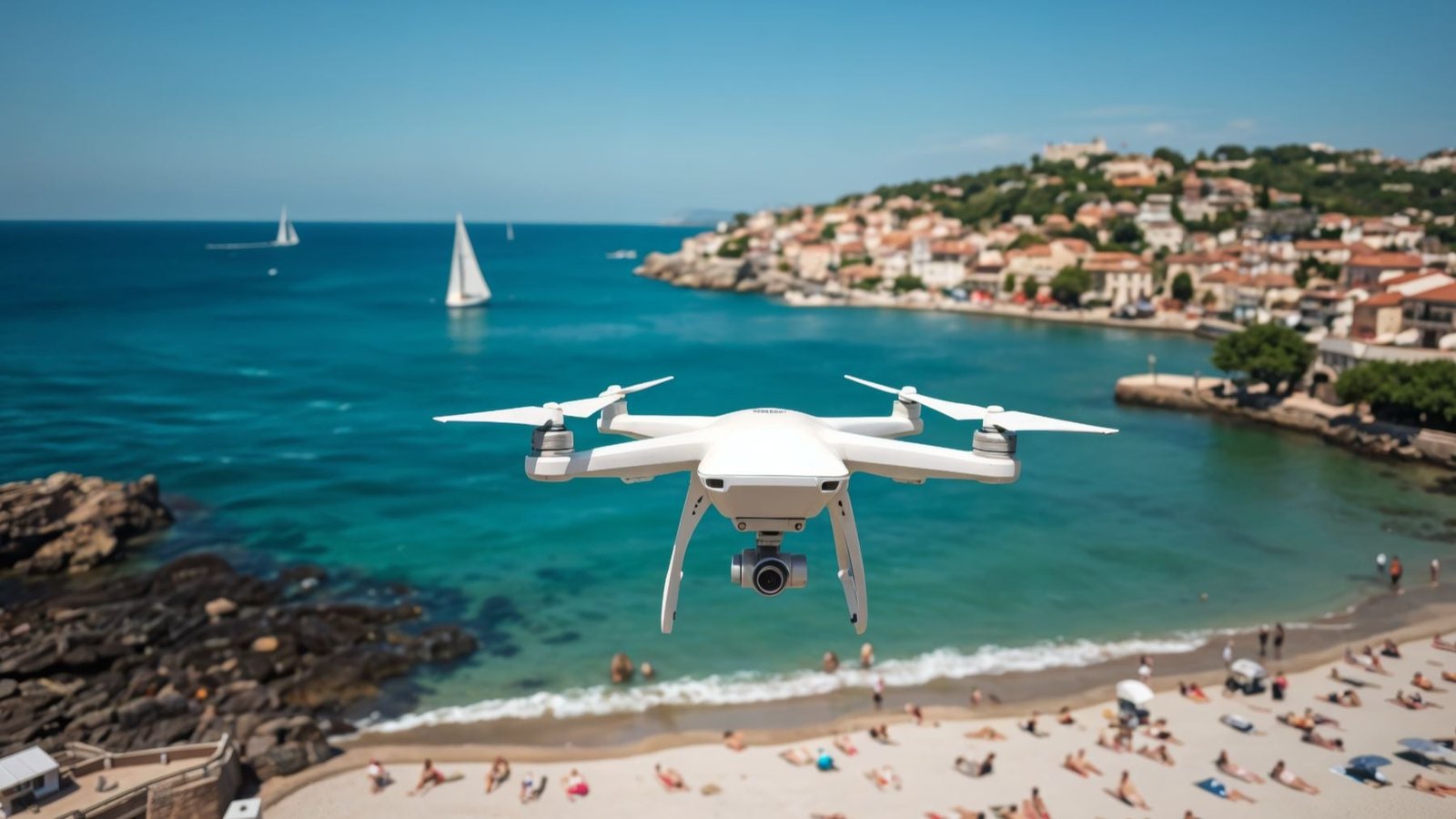
Australia invests 20 million euros in drones to prevent shark attacks on bathers and surfers
The New South Wales Government has announced an additional investment of €20.6 million to expand drone surveillance on the beaches of the Australian state. The item brings the total investment in the shark management program over the next two years to more than €72.8 million, the largest deployment of this type in the world.
The announcement comes after a series of recent incidents. On June 13, A white shark attacked a 34-year-old teacher while swimming at Coogee, the beach where he lost an arm.
Days later, the sighting of a similar specimen forced Bondi Beach to close for three consecutive days. A 12-year-old boy died in January after being bitten in Sydney Harbour. In November, A bull shark killed a woman on a remote beach north of the city. Between May and July, three other divers died in similar incidents in Western Australia and Queensland.
The human cost
A Fundraising campaign to fund the recovery of the teacher attacked in Coogee has already exceeded 300,000 euros. The woman spent a week on life support and underwent multiple surgeries.
The investment reinforcement is added to the amounts already allocated to the 2025/2026 plan and confirms the largest budgetary commitment ever made by an Australian government to shark safety.
The plan also strengthens collaboration with Surfing NSW, which has provided drones and first aid equipment to more than 60 surf clubs and 120 shore rescue teams.
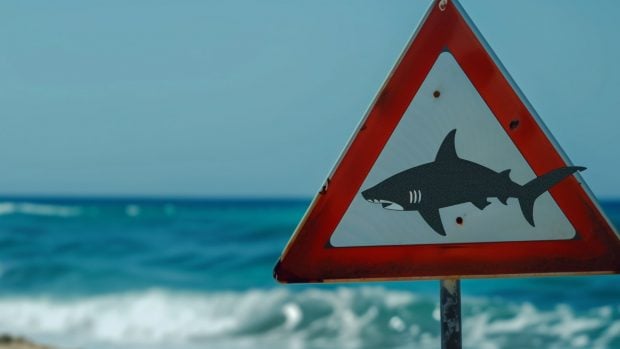
70 beaches, all year round
The expanded programme, managed by Surf Life Saving NSW, cIt will open about 70 beaches 365 days a yearwith at least one surveillance point in each coastal municipality of the state.
Since July 1st, permanent coverage reaches 38 Sydney beachesfrom Palm Beach to Cronulla where the drones operate from dawn to dusk with extended hours compared to the previous program.
Coverage is not limited to beaches patrolled by lifeguards: tIt will also protect popular surf spots without regular patrolone of the changes most requested by the sports community.
Surveillance on the ground
The official reinforcement coexists with a network of amateur pilots who fly over beaches like Bondi before the lifeguards’ shift beginslooking for suspicious movements beneath the surface. Bondi Beach this month launched a new drone base located in the heart of the sandy area, one of the most visible signs of the expanded deployment in the city.
The call for new paid pilot positions has received an avalanche of applicationswhile recent sightings leave some bathing areas on the coast clearer than usual.
Record surveillance
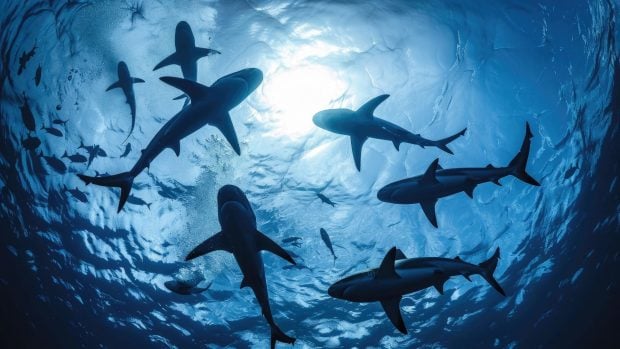
Surf Life Saving NSW conducted nearly 100,000 drone flights during the last financial year and detected 2,300 sharks. For this year the forecast shoots up to 500,000 flights.
When a pilot locates a potentially dangerous specimen, he notifies the lifeguards, who activate a siren and clear the water. For now, all drones are operated by people.
The Australian Government has announced that it plans to incorporate artificial intelligence into the system. Two trials with drones capable of automatically identifying the species of the shark detected are planned for the coming months.
warmer waters
Scientists point to ocean warming as one of the factors behind the rebound. The increase in sea temperature would be modifying the migratory routes of sharks towards the coast.
The growth in the number of bathers and water sports practitioners also explains part of the uptick in encounters, since there are more people in the water in the areas of greatest shark activity.
The Australian shark incident database records 274 episodes in the last decade, 28 of them fatal, compared to 195 cases and 21 deaths in the previous decade.
Questioned networks
In addition to drones, New South Wales maintains 51 fishing nets installed since 1937 between Newcastle and Wollongong, 305 smart longlines and 37 permanent listening stations.
Conservation organizations are calling for the nets to be removed due to their lack of effectiveness and their impact on marine fauna. About 40% of trapped sharks remain on the beach sidenot from the open sea.
In its 90 years of use, nets and longlines have trapped more than 15,000 marine animals non-target in New South Wales, among turtles, dolphins, rays and whales, according to estimates by environmental groups.