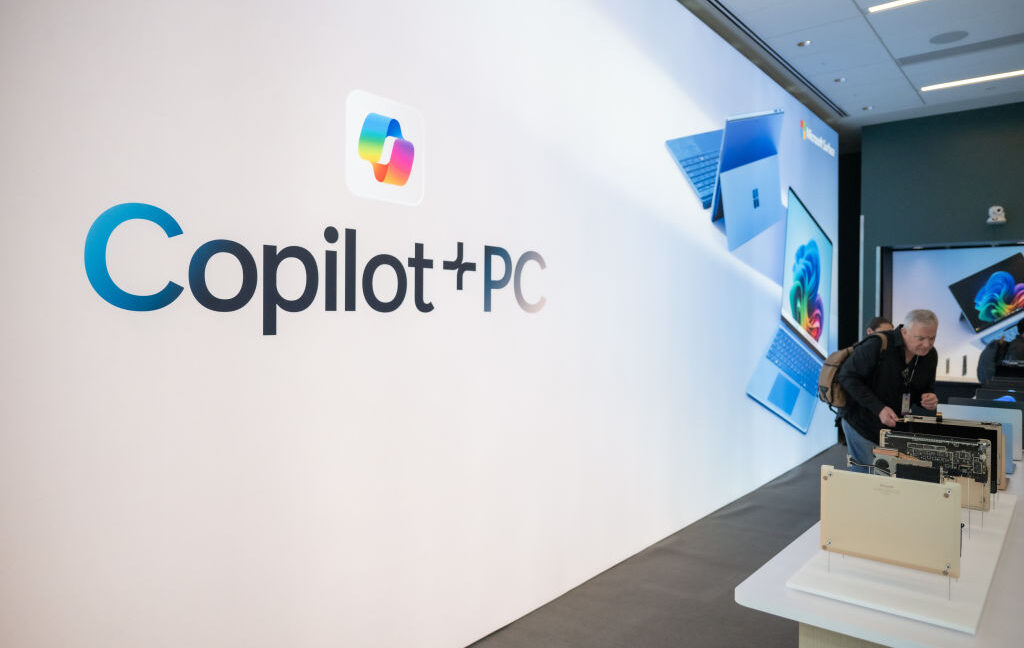
Since 2024, Microsoft has been trying to sell “Copilot+ PC.” The marketing initiative was aimed at making it easier for people to know which Windows systems were approved to run AI-accelerated workloads locally.
But the Copilot+ PC branding is nowhere to be found on the new Surface PCs Microsoft announced this week.
Speaking with Windows Central, Surface corporate vice president Brett Ostrum said the new Surface computers are “not called Copilot+ PCs” despite meeting the label’s requirements.
“They meet all the requirements of our previous standard for what Copilot+ devices are. We’re still leaning into the narrative around AI at the edge and being able to have a hybrid solution available,” he said.
Copilot+ PCs require 16GB of RAM, 256GB of storage, and an integrated neural processing unit (NPU) with a performance rating of 40 trillion operations per second (TOPS) or better.
The 12-inch Surface Pro (2nd Edition) and 13-inch Surface Laptop (2nd Edition), launching on October 13, run Qualcomm Snapdragon X2 Plus processors and have an 80 TOPS-rated Qualcomm Hexagon NPU.
“[T]The purpose of the Copilot+ PCs was to be able to offer [NPU] experience,” Kedar Kondap, senior vice president of computing at Qualcomm, told Windows Central. “So, it was defining a certain category of devices with a certain bar and metric, like, for example, a 45 TOPS NPU. …So from that perspective, it’s more about offering the same experiences, probably without just using [Copilot+ PC] terminology now.
AI PCs are old news
Copilot+ PCs are “a class of AI-enabled PCs and laptops” that represent “the fastest and smartest Windows PCs ever created,” according to a Microsoft marketing page published in May, according to the Internet Archive’s Wayback Machine. However, that PC Copilot+ home page now redirects to a page for “high-performance PCs” that still names “PC Copilot+” but features the label much less prominently.