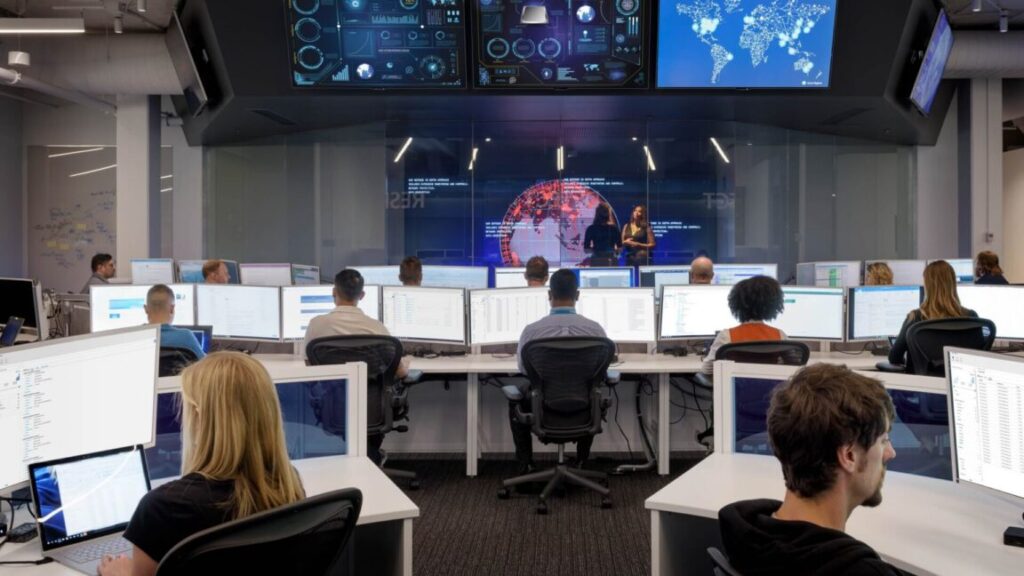
Amanda Silver, a corporate vice president who oversees Microsoft 365 Core and Work IQ, wrote that engineers had to deal with a “fog of war” as the outage unfolded. According to Silver, first responders exchanged more than 11,000 messages in 11 Teams chats, leaving diagnostic data scattered and a complete view of the incident fractured. Silver’s memo also quotes Charles Lamanna, executive vice president of Copilot, Agents and Platform, as saying in a Code Red review that the affected component had accumulated “approximately ten years of acceptable failures.”
Microsoft has said that the outage was not related to any cyberattack or malicious activity, and that the defects were not caused by artificial intelligence tools. As part of the Code Red review, Silver’s memo outlines five workstreams focused on load reduction, geographic partitioning of traffic, and faster recovery mechanisms. According to Reuters, Microsoft plans to improve its incident response and patching timelines by deploying its own artificial intelligence agents to help engineers diagnose system health data more quickly. Henderson said he will hold daily meetings with Substrate’s leadership team, which oversees the engineering team responsible for Microsoft 365 services.
Microsoft has set global resolution goals of one hour for major incidents and a one-hour deployment window for urgent security fixes. He hasn’t said when he expects to meet with them or how future response efforts will avoid 11 separate Teams chats and the “fog of war.”