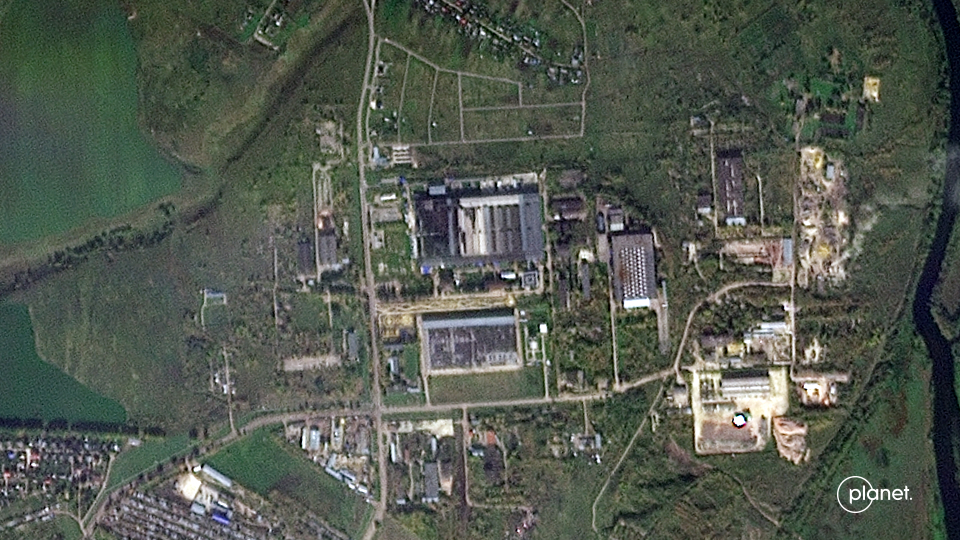
Other Russian services affected included a dating app, a real estate aggregator, a self-publishing book platform and the website of the most successful professional soccer club in the Russian Premier League, according to Reuters.
Attacking data centers is just the latest example of how they will become war targets in 2026. After the United States and Israel attacked Iran in February, Iranian drones destroyed multiple Amazon data centers in Bahrain and the United Arab Emirates.
But Russia has been regularly launching massive missile and drone attacks on Ukrainian cities, targeting power grid infrastructure, transportation hubs and even residential apartment buildings since Russian President Vladimir Putin first launched his full-scale invasion of Ukraine in February 2022.
Ukraine has recently been dealing with a shortage of interceptor weapons capable of shooting down Russian missiles and jet drones. But the Ukrainian military has also gradually stepped up its own campaign of medium- and long-range drone strikes in response to the Russian attacks.
Ukrainian drone attacks have targeted Russian military bases and supply lines, Russian-linked shipping in the Sea of Azov and Black Sea, and Russian energy infrastructure such as oil refineries. In the summer of 2026, Ukraine also attacked several warehouses belonging to Russian companies Wildberries and Ozon, which are the Russian equivalents of Amazon.
In a sign that the war could spread, coordinated air and sea drone strikes sank two commercial ships in the Black Sea within the exclusive economic zones of NATO member countries Romania and Bulgaria on October 5 and 6. Ukrainian President Zelenskyy attributed those attacks to Russia.