Support CleanTechnica’s work through a Substack subscription, on Patreon, or on Stripe. Help us produce all the original, high-quality content we publish week after week despite the challenges of AI deleting content, anti-social media, inflation and other obstacles.
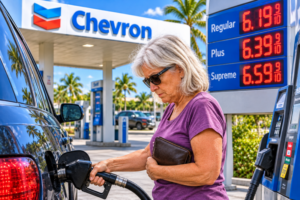
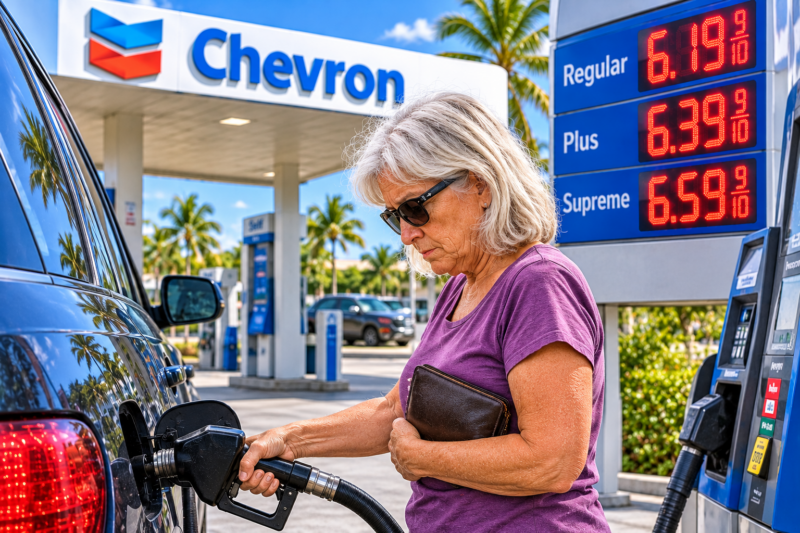
Since the start of the US war against Iran, Americans have paid more than $150 billion more for gasoline and diesel than they did last year during the same period, according to a Brown University study. Global gas prices have increased because supplies have been disrupted (Iran has one of the largest oil reserves in the world). Americans are paying more than $6 a gallon even though American oil companies have not seen their own supply chains disrupted as Middle Eastern crude has.
The result? Windfall profits for Big Oil at the expense of American citizens.
——————-
In the run-up to his election in 2024, Donald Trump asked about 20 oil executives at Mar-a-Lago to raise $1 billion for his campaign, promising to roll back dozens of Biden-era regulations if elected. The industry appears not to have raised the full $1 billion, but oil interests still gave tens of millions to Trump-aligned committees. The policies implemented by the Republican Party, which has had control of Congress and the White House since the last election, have been very pro-oil and gas, whether anti-EV, anti-solar, anti-energy efficiency, anti-fuel efficiency, anti-wind, or just outright subsidies for oil and gas.
They ended many of the Biden Administration’s clean energy policies. They finished (or tried) the Solar For All Program. They ended tax credits for residential and commercial solar energy. They signed Executive Order 14315 to end tax credits for wind and solar investment and production and impose additional restrictions. They made solar development on federal lands more difficult. On his first day in office, Trump signed a memorandum withdrawing federal offshore areas from new and renewed wind leases, but the rule did not apply to oil and gas. They ended tax credits for wind energy. They failed to meet federal standards for vehicle fuel efficiency. They tried to eliminate Energy Star, a program that costs the government $32 million a year and saves Americans $14 billion a year. They weakened home energy rebate programs, SPECIFICALLY stipulating that they could not be used to replace polluting gas boilers (which increase childhood asthma by more than 15%) with energy-efficient electric options. They even tried to make it illegal for future lawmakers to improve energy efficiency legislation. Then, as if that weren’t enough, they simply gave our tax money to fossil industries, allocating about $190 billion in tax breaks and subsidies over the next decade of the OBBBA.
If this isn’t quid pro quo, I guess I don’t understand what quid pro quo is. But the Iran war took it to a whole new level.
Since it began on Feb. 28, while Americans have spent about $150 billion more on gasoline and diesel, U.S. oil and gas companies made more than $130 billion in profits from April to September, nearly triple what they earned a year earlier, according to the New York Times.
We cannot say that the war was fought for industry. The president has said his goal is to prevent Iran from obtaining a nuclear weapon. But we can say who pays at the pump and who gets paid.
Connect the dots however you want, but connect them before you vote. Add to this the approximately $50 billion that American taxpayers have spent directly on the war, and countless more that have seeped into the rest of our economy due to the inflationary pressure of rising energy costs, and we can safely say that this war has cost us more than $200 billion, along with the unquantifiable cost in human lives and suffering.
Wars over oil are nothing new. But there are things in this conflict that are new.
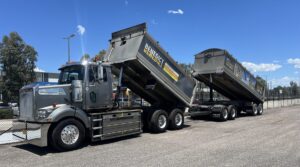
Oil shocks are in the spotlight, and this week’s report shows how quickly the world outside the United States is moving away from oil dependence. CleanTechnica analysis maintains that global oil demand is on track to fall by 2 million to 3 million barrels a day this year, the first drop not caused by a recession or pandemic, as high prices drive consumers away from the fuel. It can be seen in China, where gasoline car sales fell 49% in September and electric vehicles reached a record 67% share. Europe is also responding, with small, affordable electric vehicles like the Smart #2 and a 2 HP electric Citroën for around 15,000 euros. In Australia, a Chinese-made electric semi-trailer already transports cement for about half the price of its rivals, and African electric mobility leaders are talking about building vehicles rather than simply importing them. Drivers who have switched are happy too: 82% of XPeng owners in a European survey of 4,000 people said they would recommend the brand, compared to an average of 53%.
Every driver, trucker and country that electrifies will be less exposed to the next oil crisis. The question for the United States is how quickly it will come on board. And this election will go a long way toward answering that question.
Sign up for CleanTechnica’s Weekly Substack to get in-depth analysis and high-level recaps from Zach and Scott, subscribe to our daily newsletter, and follow us on Google News.
Do you have any tips for CleanTechnica? Do you want to advertise? Want to suggest a guest for our CleanTech Talk podcast? Contact us here.
Subscribe to our daily newsletter to receive 10-15 new cleantech stories per day. Or sign up to receive our weekly newsletter on the week’s top stories if the daily grind is too much.
CleanTechnica uses affiliate links. See our policy here.
CleanTechnica Comment Policy