
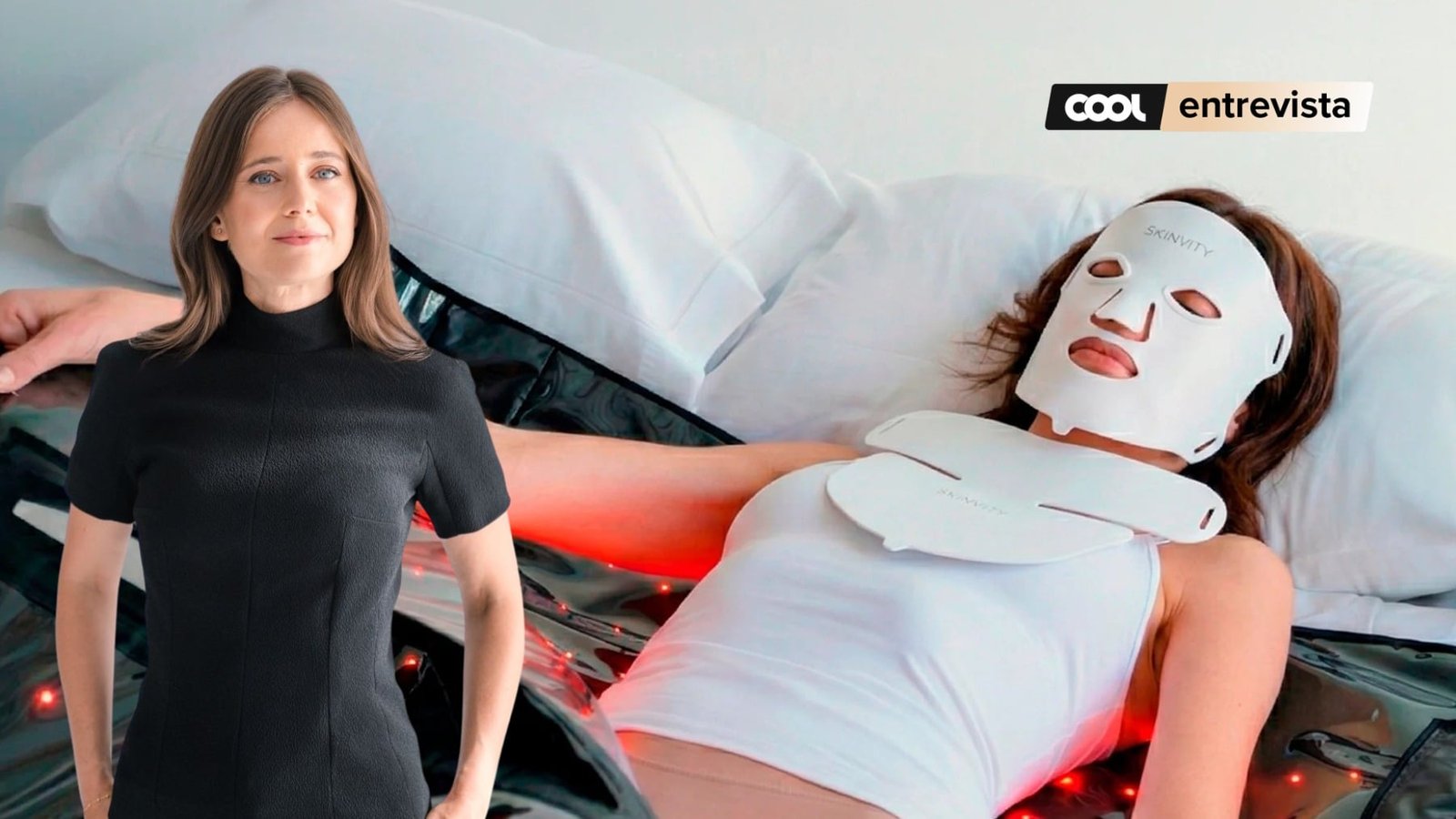
“74% of users adapt ‘beautytech’ to their available time”
The way we conceive personal care at home has evolved to enter its most technological era. Today, the home has become a place of rest and well-being, where care is conceived from the most professional point of view thanks to the beautytechthe fusion between cosmetics and technology. This is a reality so present in Spain that, currently, the 70% of the women surveyed already use advanced cosmetic devices at home on a regular basis. This is confirmed by the second edition of the II Skinvity Observatory and, to find out more details, we have spoken with Blanca Miñano, founder of Skinvity, about it.
It has been a long time since aesthetics and personal care stopped being something behind closed doors. The speech of self care, More than just a private range, it is in full swing, and it is no longer unusual to hear from both women and men about the treatments being carried out. This transformation has been one of the most notable and significant changes that have made the beauty has come to occupy all aspects of consumers’ daily lives.
 Skinvity Observatory. (Photo: NoeliaJGP)
We talk about beautytech and the way it has transformed the way we perceive self-care routines. According to Blanca Miñano, “the real turning point occurred when the technology has reached a high level of effectiveness. “This has made it possible to begin transferring treatments safely and effectively from the clinic to the home and this has happened rapidly between 2020 and 2023.”
A key aspect in this evolution of perception is the technology accessibility. Historically, access to beautytech It was something unattainable; «previously exclusive to aesthetic clinics such as radiofrequency, LED therapy or pressotherapy, they have begun to enter homes and centers are increasingly becoming specializing in high added value treatments»explains the expert. Added to this is the way in which Spanish women understand aging. Today, the prevention It has established itself as the protagonist of care routines and has been integrated with treatment routines.
Integrated into everyday life
«The Spanish consumer likes stay up to date with the latest trends in self-care and well-being, and is very open to incorporating new technologies into her care routine,” explains Blanca. This does not mean that she is an easy consumer to convince: «This predisposition is not at odds with requirement; Before you buy, research, compare and look for evidence that the technology really works.
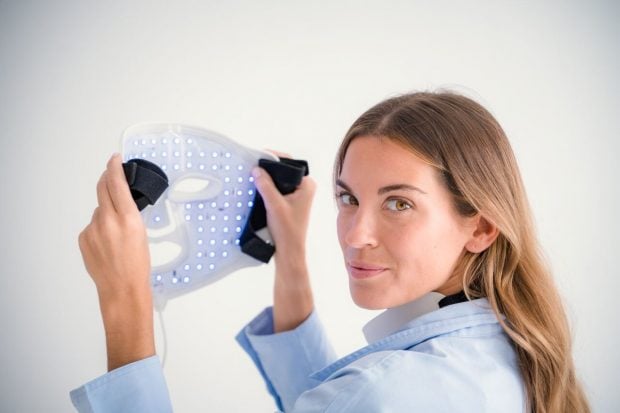
 Skinvity Observatory. (Photo: NoeliaJGP)
They determine the success of the devices based on two main parameters. On the one hand, the Device potency and clinical outcomes of the same are important for 88% of those surveyed, according to the Observatory. The price is also decisive, since it is still perceived as a very high expense for care.
Furthermore, the possibility of integrate into the real daily life of consumers It’s something to really take into account. “He 74% of users adapt the use of the device at its available time, not the other way around,” says Miñano. They don’t wait for the perfect moment, they integrate it into their imperfect reality, which means “that technology is used primarily in night routinebefore sleeping, or during moments of rest during the weekend”.
Another decisive factor in democratizing the use of these devices in homes has been, in the expert’s words, the social networks. «They have helped us so that many women have normalized seeing other women easily integrate technology for self-care at home. He 47% of those surveyed in our Observatory already perceive that more and more people around them use beautytech. When something stops seeming exceptional and begins to seem everyday, the psychological barrier to entry falls. “Social networks in our case have been the showcase and the real conversation between women has been key,” she points out.
Protocols beautytech most consumed
One of the conclusions of the Observatory reveals that the LED therapy It is the most used by Spanish women in homes, “in the case of the face, especially to improve firmness, thicken the dermis and improve the general appearance of the skin. Being a device compatible with aesthetic medicine treatments.
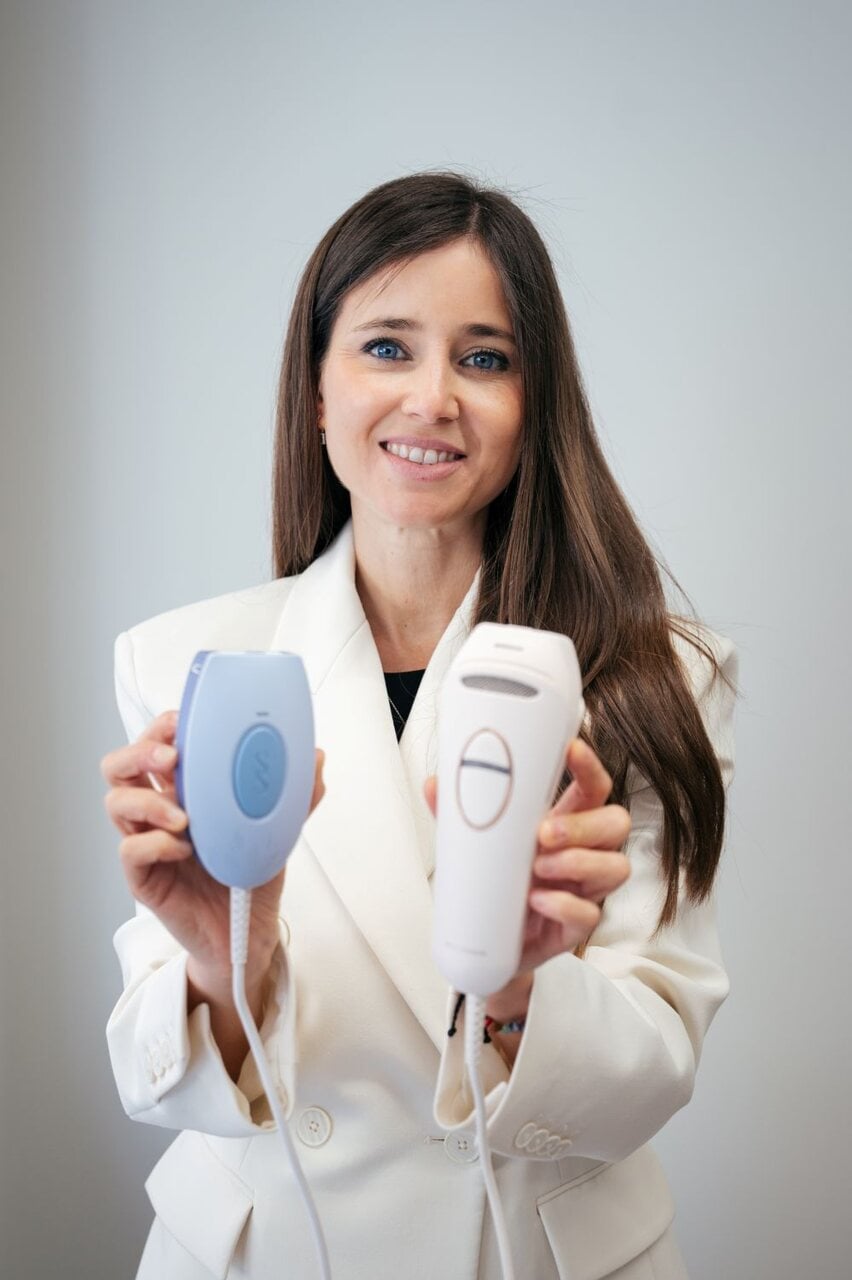 Skinvity Observatory. (Photo: NoeliaJGP)
It is closely followed by radio frequency, which is positioned as the most desired technology by those who do not yet have a device: “67% point to it as their next addition.” and the pressotherapy, “which until recently was a treatment that was done exclusively in clinics, is gaining ground in the home as a wellness tool for legs, circulation, muscle recovery and general well-being.”
The challenge of selling
Since the pandemic, online sales have completely changed the way consumers reach different products. This reality is also included in the purchase of products. beautytechabove all, in the face of the challenge of their trust. And this parameter is so important that the 93% of those surveyed prefer to buy on the official website for reasons of guarantee and trust, above marketplaces or other distribution channels.
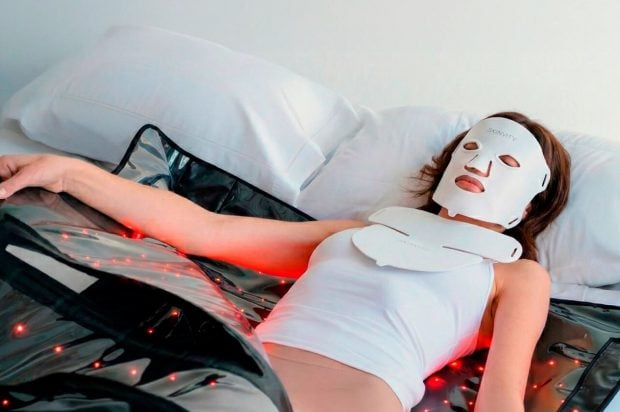 Skinvity Observatory. (Photo: NoeliaJGP)
Although it is becoming more common, clinics continue to be the main source of trust for consumers. «In terms of how they are informed, the recommendation of aesthetics and dermatology professionals is currently the most valued channel. Brands are increasingly betting on providing real dataeducational formats, tutorials, expert content, detailed protocols, etc.,” says Blanca Miñano. The study clarifies that 64% of consumers would even change the product they buy if this technology worked the same in a professional clinic.
Despite everything… there is a lack of education
The part where the popularization of the beautytech It’s in credibility. The effectiveness and technical guarantees of these devices, in addition to the credibility of the brand, are increasingly important, and this confronts companies in the sector with a challenge: increasing their research among female consumers. In fact, the 27% acknowledge that they would like to have more technical training to use the devices with complete peace of mind, even with better tutorials to understand the use of the devices. Otherwise, the lack of this information is so decisive that it influences the purchase decision (79%).