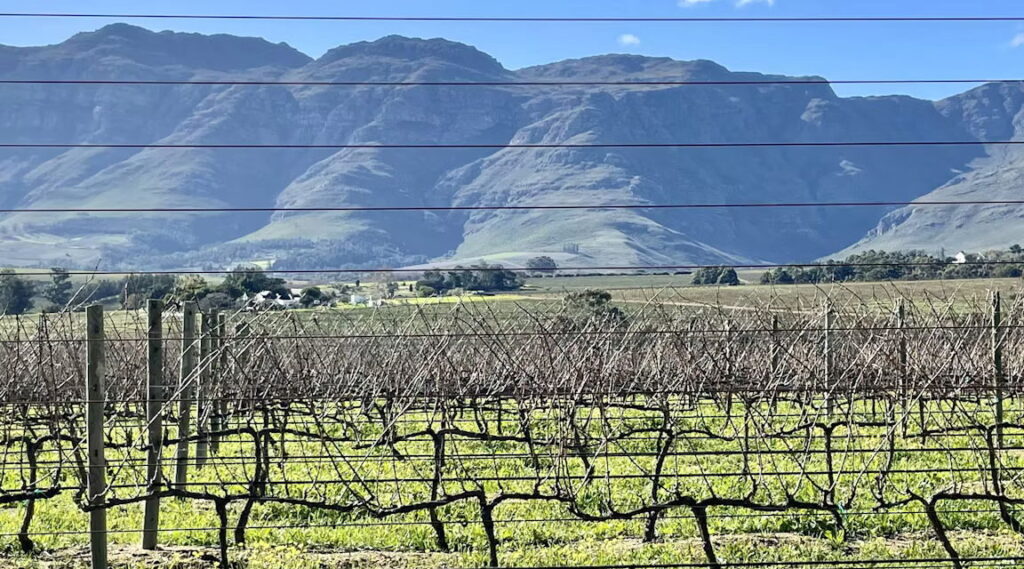
Several manufacturers also described efforts to reduce their reliance on chemical pesticides, which is beneficial not only for the environment but also for their business as the cost of chemicals continues to rise. We’ve heard of vineyards closely monitoring pest populations and responding in a targeted manner rather than using pesticides on a large scale.
Some farmers encourage the cultivation of beneficial insects and manage habitats that support natural pest control. Creating habitats for natural pest enemies can also reduce the overall risk of disease. While chemical treatments remain part of many winemaking operations, producers reported increasing interest in other approaches that prevent disease and pest outbreaks, such as: B. pruning to reduce their overall use of chemicals.
Sustainable practices such as these are well established in the South African wine industry, but our interviews suggest that their use has increased in recent years. Rather than focusing solely on treating problems after they occur, these approaches emphasize prevention, monitoring, and ecological balance.
Sustainability must also make economic sense
For many producers, the stewardship practices we observe in South Africa represent investments in the long-term resilience of their business.
Many of the wine producers we interviewed described facing rising costs and market uncertainty. Exports, labor and chemicals are expensive. They emphasized that maintaining healthy soils, conserving water and reducing susceptibility to drought and disease are essential to maintaining the productivity of their vineyards.
As concerns about drought, climate pressures and profitability grow, vineyard area in South Africa has also declined. Several farmers described diversifying their business models and even switching crops to make their operations more resilient to hotter and drier conditions.
Lessons beyond South African wine
Farmers around the world are facing the reality of a changing climate. Our research shows that effective solutions can arise from understanding the interactions between nature and production.
The experience of South African winemakers shows that farms can be managed more sustainably when viewed as part of larger ecosystems.
Students Zoe Van der Walt, Jack Spining and Dryver Finch contributed to this article.
Hannah V. Herrero is Associate Professor of Geography and Sustainability and Director of Sustainability at the University of Tennessee; Erin L. Bunting is an assistant professor of geography at Michigan State University; Jane Southworth is a professor of geography at the University of Florida; Jason K. Blackburn is Professor of Geography at the University of Florida; and Stephanie Insalaco-Wyner is an assistant professor of geographic information sciences at Southwestern University.
This article is republished from The Conversation under a Creative Commons license. Read the original article.