
Space travel: Unprecedented NASA satellite rescue mission launched
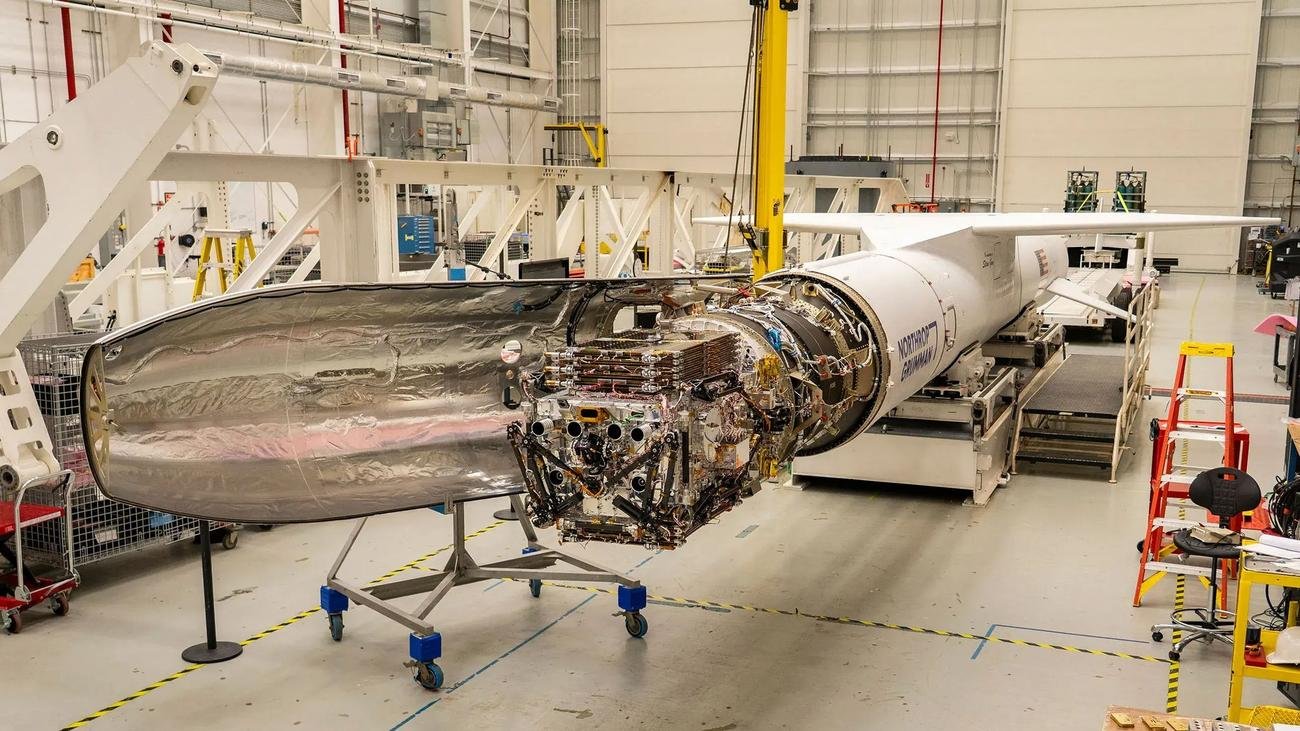
The US space agency NASA has launched an unprecedented mission to rescue a research satellite. An unmanned towed spacecraft called “Link” took off from an atoll in the Marshall Islands in the South Pacific with the help of a “Stargazer” aircraft and a “Pegasus” rocket, NASA announced.
The “Link” spacecraft, which weighs around 400 kilograms and has three robotic arms, three main engines and numerous other instruments, is intended to approach the research satellite and return it to its original orbit over a period of several months. “Link” was developed and built on behalf of NASA by the US space company Katalyst Space with a budget of around 30 million dollars (around 26 million euros).
“Swift” has been providing important research data for around 20 years
The research satellite is the unmanned celestial observatory “Swift”, which is equipped with three telescopes. It was launched into space from the Cape Canaveral spaceport in 2004 and since then has primarily examined huge bursts of energy in the universe, so-called gamma-ray bursts. The satellite is in good condition – but is in danger of crashing, among other things due to strong geomagnetic storms triggered by solar flares.
Because of the central importance of the research data provided by “Swift”, NASA decided at short notice to undertake the unprecedented rescue mission. If successful, the “Swift” satellite, which is currently running in energy-saving mode, could provide scientific data again from autumn – and, according to scientists’ expectations, possibly for around five years or more. However, the rescue mission is considered challenging and risky.
© dpa-infocom, dpa:260703-930-328100/1