
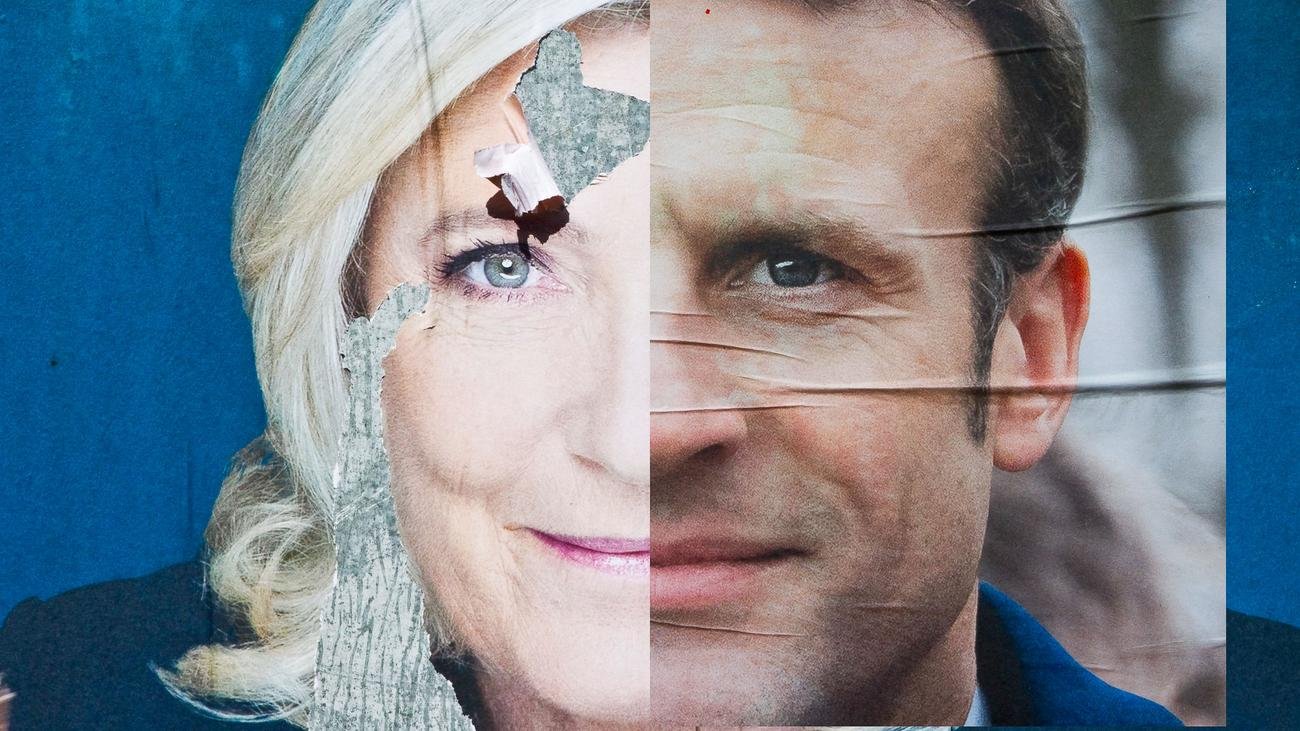
Franco-German Council of Ministers: Would the euro crisis return with Marine Le Pen?
The German-French Council of Ministers was still relaxed: the German-French transport squadron flew ministers to Augustburg Castle near Cologne, and Chancellor Friedrich Merz and the President exchanged views in front of the cameras Emmanuel Macron friendly words and smiled at each other.
But this was Macron’s last council of ministers – and possibly the last without a president of the right-wing extremist Rassemblement National: It is possible that the party will provide the next head of state after the presidential election in May 2027. For Germany, this would mean a new era in terms of economic policy.
The Christian Democrat Merz and the economically liberal Macron now agree on many points, such as reducing bureaucracy, expanding the youth organization, AI cooperation and aid for Ukraine. Should Marine Le Pen If he wins the presidential election, Merz would have to negotiate with a government that has radically different economic policies.
Le Pen’s chances are now better than ever. She even gained support after the recent court ruling that allows her to run again in 2027. Although the judges found the right-wing extremists guilty of embezzling around four million euros in EU funds, more than one in three French people would currently vote for them. In the second, decisive round of voting, she is currently ahead of the most promising opponents so far.
She wants to place national law above European law
What can be expected from this woman whom tech billionaire Elon Musk described a few days ago as the “last hope for France”? From a politician who wrote a few years ago that Germany had mostly betrayed and abandoned France when it came to foreign policy?
Franco-German talks with Le Pen are likely to be frosty. For example, she thinks little of a common nuclear deterrent and she also doubts financial aid for Ukraine. The influence of the EU Le Pen wants to keep it as small as possible; she also wants to reduce the French budget for Brussels. In general, she wants to place national law above European law – and thereby attack one of the foundations of the EU.
For a long time, the duo Germany and France were considered the driving force of Europe. After the governments in Berlin and Paris made their decision, the others often followed suit. A lot went wrong recently with the Merz-Macron duo, for example the German-French fighter jet project FCAS failed. But they did not shake the foundations of the EU: both stand for a common trade policy and want to coordinate foreign and defense policy more closely.